
August 16, 2026 - Coaching Business
How Much Can You Make As A Life Coach In 2026?
How much do life coaches make in 2026? Get the real salary numbers by experience, specialization, and location, and what it actually takes to earn more.

Coaching gets a lot of buzz, but the one thing people want to know is how much do life coaches make in earnings. I've spent years talking to coaches across niches and countries through my work building CoachVantage, and the honest answer is it depends on more than a single salary number.
What's clear from those conversations is that the most successful life coaches, whether you’re a spiritual life coach or female life coaches, treat coaching like a business.
This article covers earnings by experience, specialization, location, and business model, and what separates coaches who struggle at $30K from those clearing six figures.
What Life Coaches Are Actually Earning in 2026
These figures reflect employed coaches. Self-employed coaches working with remote clients in higher-paying markets consistently earn above whatever their home state average suggests.
The national average sits at $53,592 according to Salary.com (February 2026), though Glassdoor's sample of more established, full-time coaches puts it closer to $84,423.
The spread tells you something important: what you earn as a life coach has less to do with where you live and more to do with how you structure your practice.
Life Coach Earnings by Experience Level

New coaches typically earn between $25,000 and $45,000 annually, often while building their client base part-time.
The average picks up considerably with experience. The 2025 ICF Global Coaching Study puts the North American average at $71,700, with coaches working roughly 13 client-facing hours per week at $234 per session.
Coaches with 10 or more years of experience average $321 per hour, compared to $152 per hour for those just starting out.
That difference is the compounding effect of referrals, a proven niche, and a track record that justifies the rate.
Life Coach Earnings by Specialization

Executive and Leadership Coaches
Executive coaches are the highest earners in the profession. ZipRecruiter data puts the average at $93,552 per year, with top earners clearing $148,500.
Companies, not individuals, are paying the bills, and corporate budgets treat coaching as a business expense.
Engagements at this level also run longer, with seasoned executive coaches charging $300 to $450 per hour and multi-month retainer arrangements being common.
Leadership coaches fall in a similar bracket. The combination of organizational buy-in and high-stakes outcomes keeps rates elevated across both specializations.
Business and Career Coaches
Business and career coaches occupy a strong middle tier.
Career coaches working with professionals in transition typically charge $150 to $250 per hour, and package pricing can bring total program revenue to $3,000 to $8,000 per client.
Business coaches serving entrepreneurs can earn comparably, especially when positioned around specific outcomes like revenue growth rather than general advice.
Demand in both areas is consistent, particularly in tech-heavy metros and among mid-career professionals navigating layoffs or pivots.
Health, Wellness, and Mindset Coaches
Health and wellness coaches average around $60,485 per year according to Glassdoor, with hourly rates typically ranging from $75 to $150.
Mindset coaches often land in a similar range, though those serving corporate clients or niching into high-performance or burnout recovery tend to earn more.
Holding a credential like the NBHWC can open doors to healthcare organizations and insurance-adjacent programs, raising both client volume and perceived authority.
Life Coach Earnings by Location

Highest-Paying States for Life Coaches
Washington D.C. leads the country at $59,337 on average, driven by dense concentrations of federal agencies and consulting firms that invest heavily in executive coaching.
California follows at $59,112, fueled by its wellness culture and high-income metros. Massachusetts, Washington state, and New Jersey round out the top five, all sitting above $58,000.
Lowest-Paying States for Life Coaches
Florida averages $44,737, making it one of the lowest-paying states for employed coaches. North Carolina ($45,928) and Alabama ($51,289) also fall below the national average of $53,592.
Self-employed coaches in these states can still earn above these figures by serving clients remotely in higher-paying markets.
Remote Coaching and Location-Independent Earnings
A coach living in Minnesota, where the cost-of-living-adjusted salary reaches $57,971, while serving clients in California or D.C., is effectively earning coastal rates at Midwest costs.
Technology also makes running this kind of location-independent practice much easier. Platforms like CoachVantage allow coaches to manage clients, schedule appointments, and conduct virtual sessions through integrations with Zoom and Google Meet, all from one platform.
A coach living in Minnesota, where the cost-of-living-adjusted salary reaches $57,971, while serving clients in California or D.C., is effectively earning coastal rates at Midwest costs.
sRemote coaching isn't just about convenience. It's a genuine income arbitrage strategy, and the coaches using it deliberately are seeing the biggest financial upside.
Life Coach Earnings by Employment Model

Employed vs. Self-Employed Coaches
Employed coaches earn a predictable salary, typically between $45,000 and $70,000 depending on the organization and location.
The trade-off is a hard income ceiling. Self-employed coaches, by contrast, can charge double or more per session and control their own pricing, packaging, and client volume.
The gap is significant. Glassdoor reports that self-employed coaches routinely earn $84,000 or above, while entry-level employed roles often sit closer to $45,000 to $55,000.
The Hybrid Model
Many coaches run a hybrid model, combining a part-time employed role or corporate contract with private clients on the side.
This is especially common in the early years, where the employed income provides stability while the private practice grows.
Once private client revenue reliably covers living expenses, most coaches transition fully to self-employment, where the earning ceiling disappears entirely.
Factors That Determine How Much You Make as a Life Coach
Niche Selection

A clearly defined niche isn't just good marketing; it directly impacts what you can charge.
Coaches who work with a broad "anyone who wants to improve their life" audience consistently underearn compared to those who own a specific outcome.
Think career transitions for engineers, leadership development for new managers, or confidence coaching for women re-entering the workforce.
Specificity builds authority, and authority justifies premium rates.
Pricing Model
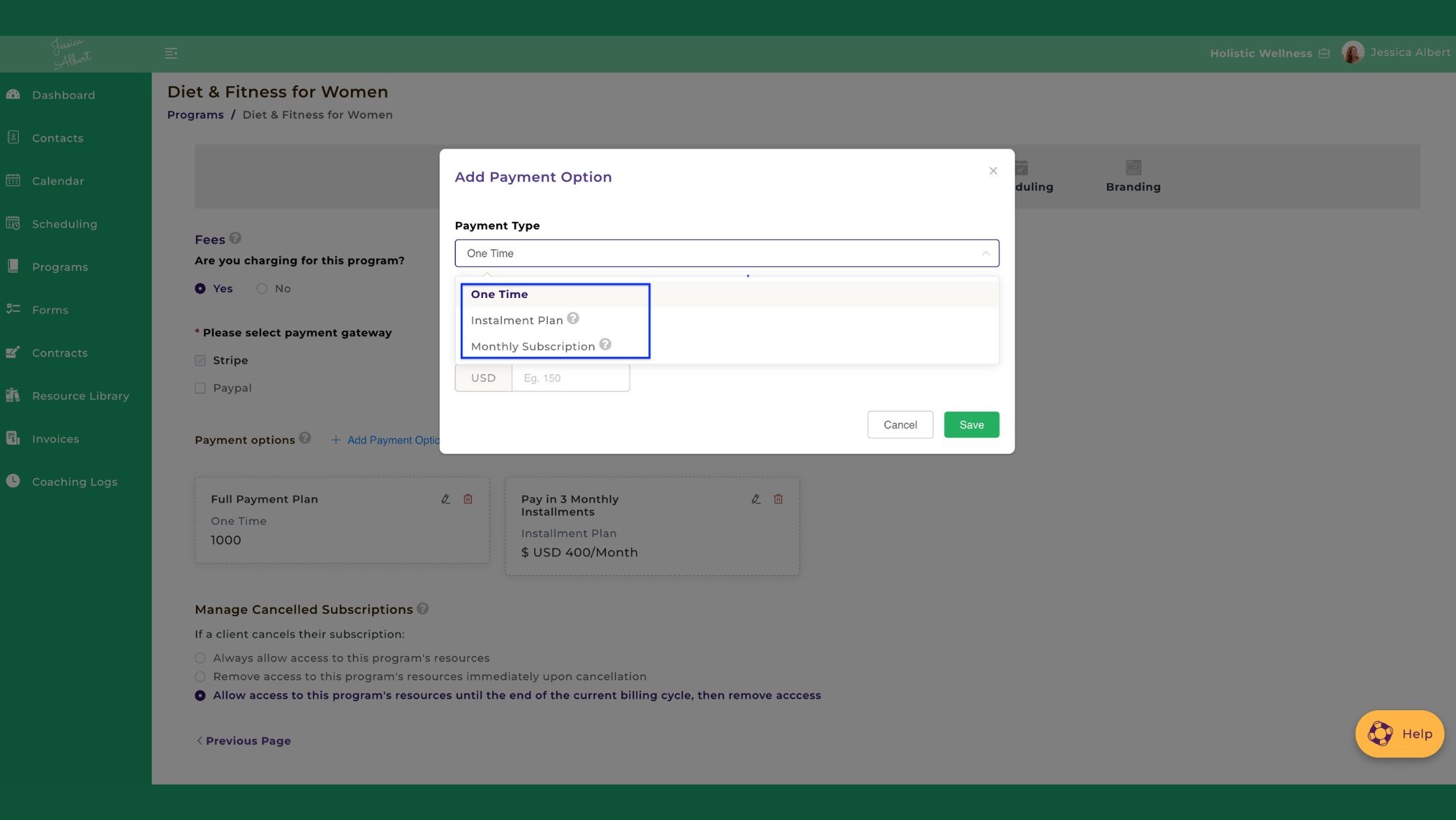
Hourly pricing caps your income and undervalues your impact.
The coaches earning the most consistently use package pricing, typically three-to-six-month programs priced at $1,500 to $10,000 or more depending on niche and experience. Clients aren't paying for your time; they're paying for a result.
A coach selling a $5,000 package needs only two new clients per month to hit $10,000 monthly revenue.
ICF Credentials
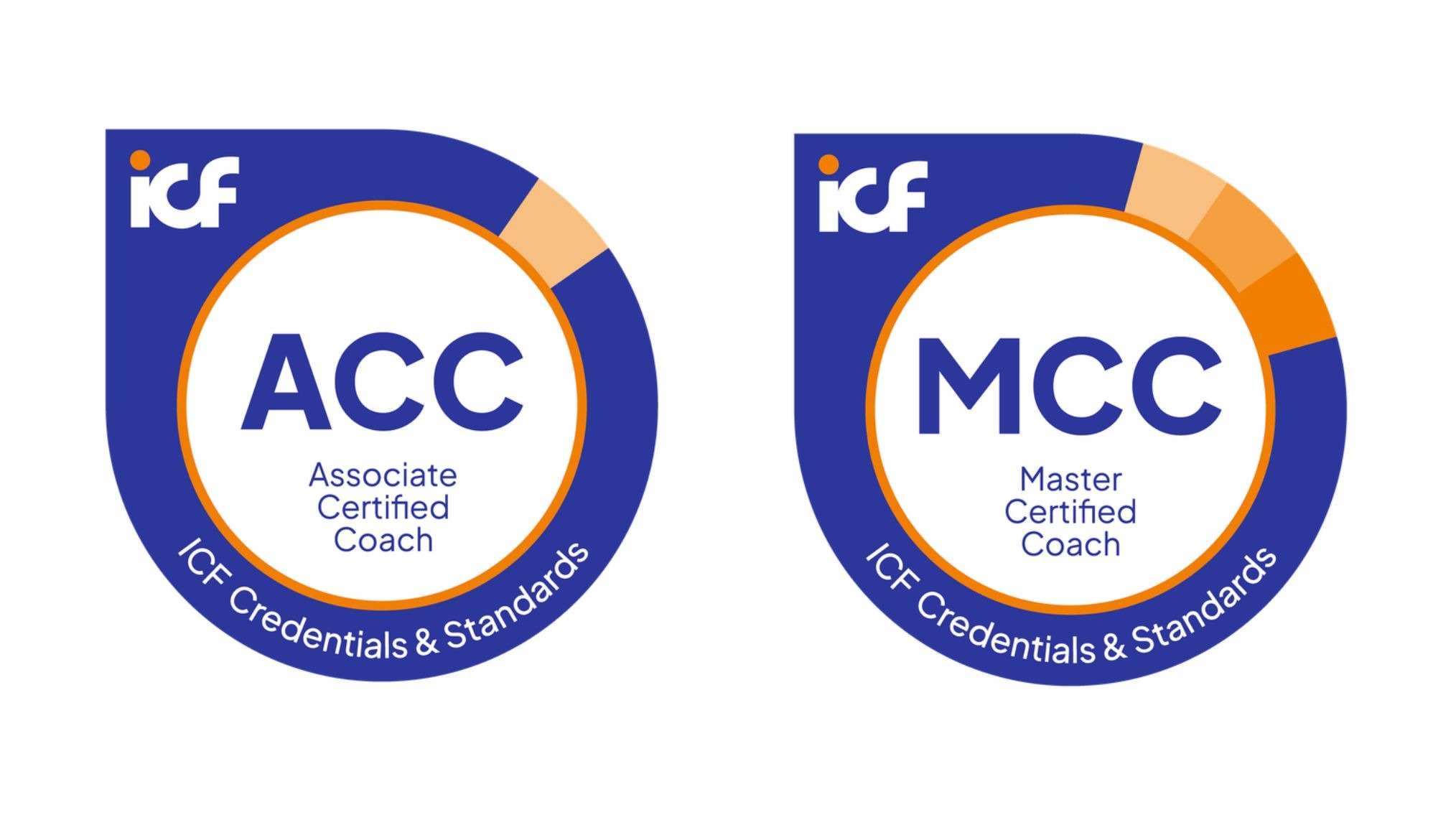
Credentialed coaches out-earn non-credentialed coaches across the board. ICF Master Certified Coaches (MCC) earn $85,000 to $150,000 or more annually.
Even an entry-level ICF-ACC signals professional credibility that supports higher rates and shortens sales conversations.
Credentials matter less with individual clients than with corporate buyers, where procurement teams often require verified certification before approving coaching engagements.
Business and Marketing Skills

The coaches I've seen scale fastest are the ones who invested as seriously in learning to market themselves as they did in their coaching training.
That means building a referral pipeline, creating content that demonstrates expertise, and getting comfortable with enrollment conversations.
Marketing is a learnable skill, and it has a direct, measurable effect on income.
How Coaches Scale Beyond One-on-One Sessions
Group Coaching Programs
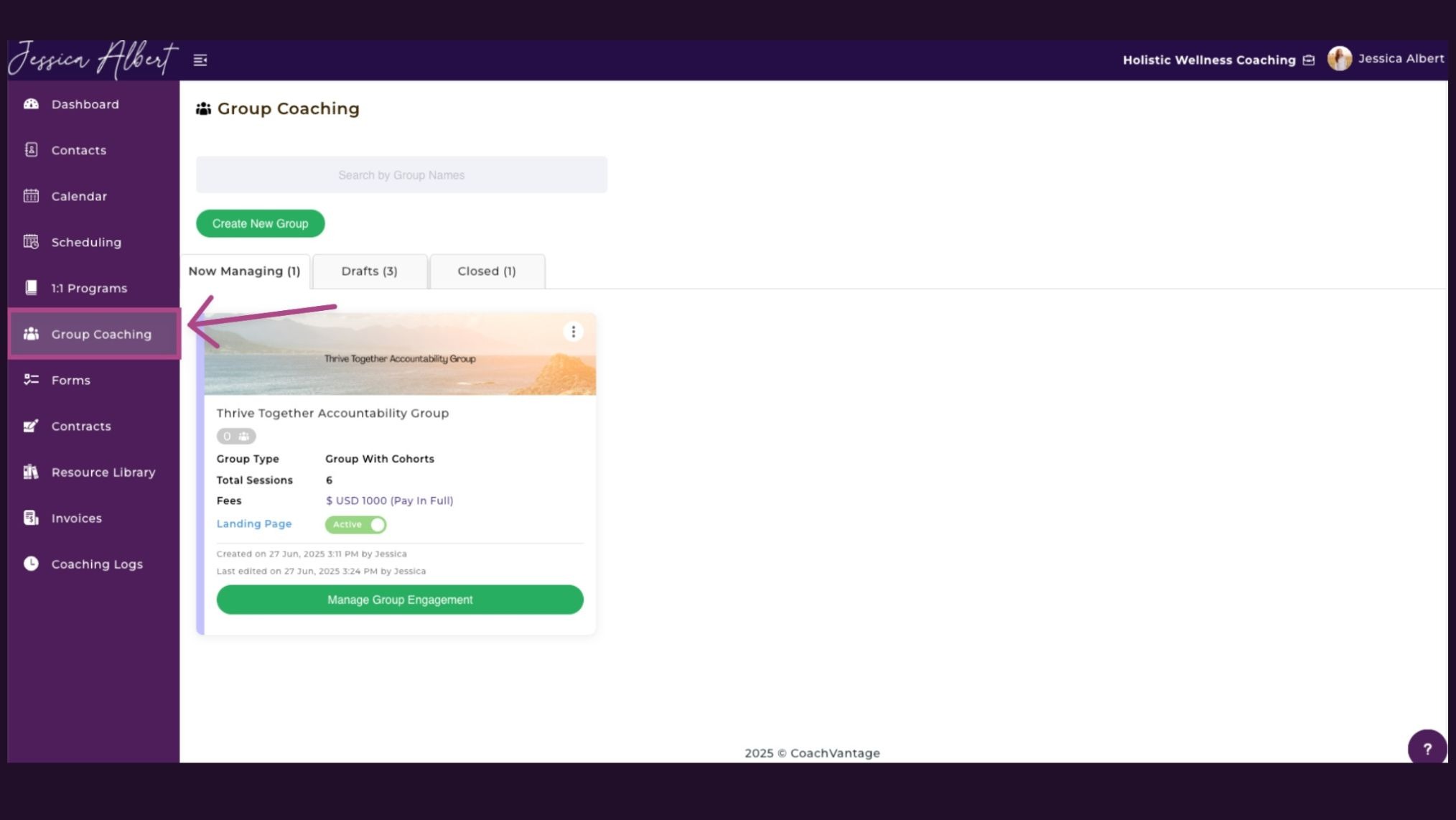
With around ten one-on-one clients often being the practical limit, growing your income eventually means raising your rates or changing how you deliver coaching.
Group coaching offers another way to scale by serving multiple clients within the same program. CoachVantage helps you manage enrollments, cohorts, live sessions, resources, and member discussions from one platform.
Clients can also access program materials and session information through their own portal, making larger groups easier to manage without adding unnecessary admin work.
Online Courses and Digital Products
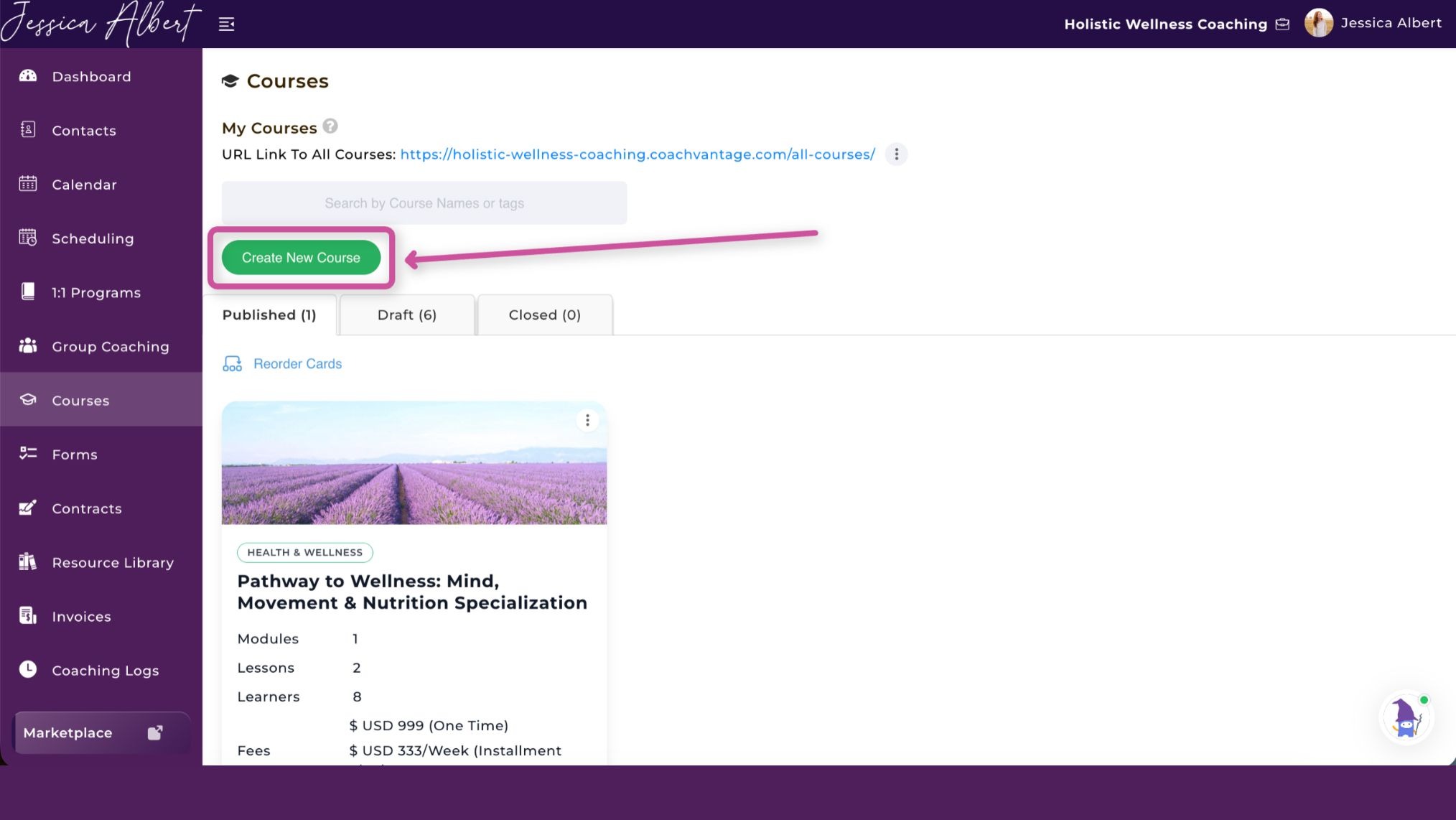
An online course lets a coach deliver their framework to hundreds of clients simultaneously without adding hours.
A career coach who builds a self-paced job search course, for instance, can sell it at $297 to $997 and generate revenue independent of their calendar.
Digital products also serve as a lower-priced entry point that warms potential clients toward higher-ticket one-on-one or group programs.
Corporate and Organizational Coaching
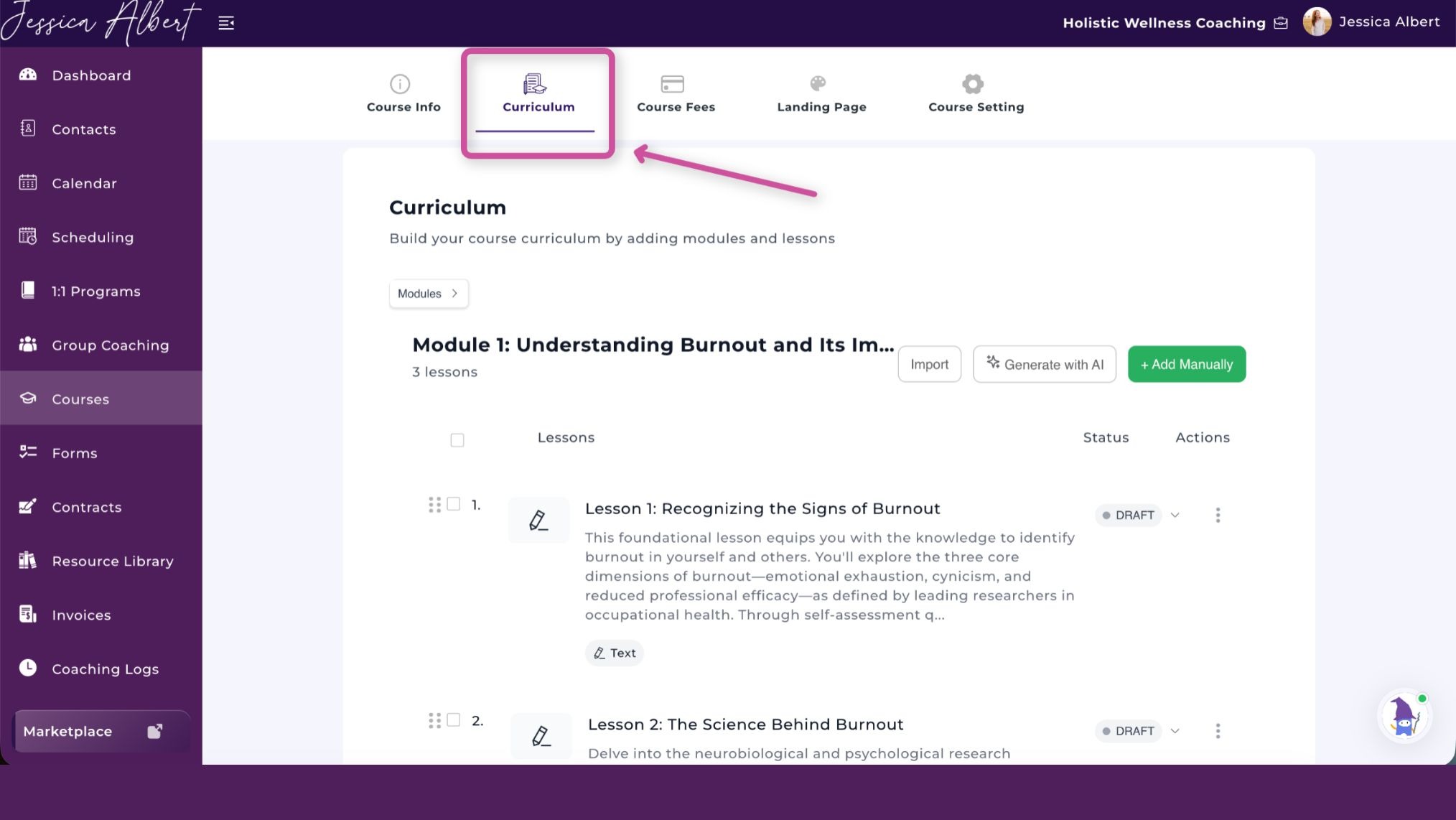
Landing a single corporate contract can be worth more than months of individual client work. Organizations typically pay $5,000 to $25,000 or more for coaching engagements delivered across a team or leadership group.
The key is positioning yourself around a business outcome, whether that's leadership effectiveness, team performance, or employee retention, rather than personal development.
One corporate client can anchor an entire quarter of revenue.
What Life Coach Salaries Could Look Like in 2027

The coaching industry's trajectory points upward. Post-COVID demand for mental health support, career guidance, and leadership development has sustained itself, and the shift toward remote work has made coaching more accessible globally.
Coaches who are already building digital products, group programs, and corporate contracts are best positioned to capitalize on that growth.
Expect top earners in high-demand niches like executive, AI career transition, and corporate wellness coaching to push well past $150,000 as organizational spending on human development continues to rise.
Building a Profitable Coaching Practice
The path to strong coaching income comes down to three early decisions: choosing a specific niche, pricing for outcomes rather than hours, and building multiple revenue streams beyond one-on-one sessions. Coaches who do all three and who invest in their marketing and business operations are the ones who build genuinely profitable practices.
CoachVantage is built to support exactly that, from managing one-on-one programs and contracts to running group coaching at scale. If you're ready to run your practice like a business, start your FREE trial today.
Frequently Asked Questions
How much do life coaches make per year on average?
The North American average sits at $71,700, which includes self-employed coaches. Employed coaches average $53,592, and self-employed coaches with established practices consistently earn above both figures.
How much does a life coach make if they specialize?
Executive coaches average $93,552 per year, health coaches average around $60,485, and career coaches typically fall between $55,000 and $80,000 depending on niche depth and pricing model.
What is the income gap between employed and self-employed coaches?
Employed coaches typically earn $45,000 to $70,000 with a fixed ceiling. Self-employed coaches can earn double or more, since they control their rates, packages, and client volume without organizational constraints.
How long does it take to build a full-time coaching income?
Most coaches take one to three years to build a stable full-time income, depending on how quickly they commit to a niche, build referral networks, and develop their marketing.
Want More Coaching Clients?

Get Your Free Guide to Create An Irresistible Lead Magnet
And attract clients who want to work with you.
Get Your Free Guide Now
Glen Oliveiro
Founder of CoachVantage
With a pulse on the coaching industry, Glen has personally engaged with hundreds of coaches to develop a platform that addresses their day-to-day challenges. A visionary entrepreneur, Glen is committed to revolutionizing coaching practices through the innovative solutions offered by CoachVantage.
https://www.coachvantage.com




.png)