February 28, 2026 - Featured Coaches
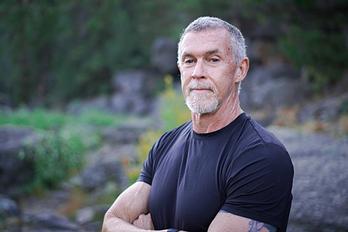
InnerLoom Somatic Life Coaching With Anthony Magazzolo
An established coaching practice offering a structured partnership for adults navigating burnout, emotional overwhelm, and major life transitions.

What initially drew you to coaching, and how has your own personal journey shaped your approach as a coach?
I was drawn to coaching through my own journey of self-inquiry and inner work. There was a time when, on the outside, things looked “fine,” but internally I felt disconnected from myself, and my sense of direction.
My journey didn't start in coaching. For over 15 years, I navigated high pressure environments in the healthcare and tech industries, leading teams and solving complex problems. I saw firsthand how the weight of responsibility affects even the most capable people.
Often, what looks like "winning" is actually a mask for deep exhaustion. I learned that you cannot ignore the reality of being human. I always had a passion for being there for people that were struggling; as a Christian, that is at my core.
Getting into coaching helped me slow down, listen, and untangle the patterns that were quietly shaping my life. That experience deeply informs how I coach today. I don’t approach coaching as fixing people.
My approach is grounded and practical. I help people slow down enough to understand what’s happening, then translate that awareness into real decisions and behavior.
Do you have an established coaching practice / business and what is it called? Do you have a coaching niche that you specialize in? What is your website?
InnerLoom is an established coaching practice offering a Structured Partnership for adults navigating burnout, emotional overwhelm, and major life transitions. My niche focuses on people who feel uncertain, stuck, or disconnected and want structured, practical coaching that helps them move forward, not just feel better in the moment.
Whether someone is navigating a breakup, burnout, or a significant life change, uncertainty is often what brings them to seek support. I work with individuals from a wide range of backgrounds, including parents, professionals, and people rebuilding after difficult transitions. Many of my clients appear functional on the outside but feel internally overwhelmed or unsure how to respond to ongoing stress.
My coaching integrates somatic awareness with cognitive tools to help clients improve stress response, decision-making, and follow-through, so they can move from simply getting through the day to greater clarity and stability in their lives and relationships.
Did you get certified / accredited by any coaching schools / institutions? If so which one(s) and what attracted you to their program / accreditation?
Yes. I hold three Master Certifications from Transformation Academy, including training in Somatic, CBT and REBT informed coaching.
I was drawn to their programs because they offer practical, evidence-informed coaching frameworks that translate well into real-world application.
The training supported my interest in combining emotional awareness with cognitive and behavioral tools, which aligns closely with my focus on structured, results-oriented coaching rather than purely insight-based work.
How did you set up your coaching practice and what challenges / wins have you encountered in the process? Any tips for new coaches just starting out to get their business registered?
I built InnerLoom intention, starting with a clear vision of the kind of space I wanted to create, one that felt safe, grounded, and human.
One of the biggest challenges was trusting my own voice and resisting the pressure to fit into a “cookie cutter” coaching model. A major win has been realizing that authenticity is a business strategy.
When I stopped trying to sound like everyone else and leaned into my values and lived experience, the right clients naturally resonated.
My biggest tip for new coaches is, start simple, get legally set up early, find a good coaching training program that resonates with you and don’t wait for perfection before putting yourself out there.
Manage Your Coaching Practice in One Place
CoachVantage automates your business workflows so you can focus on impactful coaching results.
How do you typically acquire clients / market yourself to grow your business? What has worked best for you and what pitfalls should be avoided?
Connection has been the most effective form of marketing for me. I focus on sharing thoughtful content, having real conversations, and letting people experience my presence before they ever become clients.
Word of mouth, aligned collaborations, and showing up consistently online have worked far better than hard selling. A common pitfall to avoid is trying to be everywhere at once. It’s more effective to choose a few channels that feel natural to you and show up there with intention and consistency.
What's the most transformative shift you've witnessed in a client thanks to your coaching? Can you share the specific approach or tools you used? For eg, do you use any coaching models or specific techniques?
One of the most consistent shifts I see is when clients move from emotional awareness without follow-through to intentional, regulated action. Many clients arrive with strong insight but feel stuck when stress, conflict, or uncertainty shows up.
Using a hybrid approach informed by somatic regulation alongside CBT- and REBT-based coaching tools, clients learn how to steady their internal responses, challenge unhelpful thinking patterns, and make more intentional choices. This process takes time, multiple sessions, and commitment from both coach and client. Change is not linear, and progress often includes pauses and recalibration.
The shift becomes visible in how clients handle work pressure, set boundaries, and navigate life transitions, not just in how they talk about their experiences. When someone promises a shortcut to change or claims to have a secret solution, it is usually a red flag. Meaningful progress takes time and effort. Tools and tips can be helpful, but they do not create lasting change on their own.
Describe a moment where you encountered a coaching roadblock with a client. How did you navigate it, and what lessons did you learn for future situations?
Coaching is not one size fits all. A significant roadblock I’ve encountered is recognizing when a client needs support beyond the scope of coaching, such as therapy, or when our approaches are simply not aligned. I navigate this by having an honest conversation and guiding them toward the most appropriate resource.
The lesson I’ve learned is that referring a client elsewhere is not a failure; it’s an act of integrity. Coaching isn't about me; I am here to serve and support. To truly support someone, I have to ensure they are in the right hands, even when that support doesn’t come from me.
What are some common limiting beliefs you encounter in your clients, and how do you help them overcome them?
Some of the most common limiting beliefs I see are: “I’m too late.” "I'm too old to start that." “I should have this figured out by now.” “Something is wrong with me.” “No one will ever want to be with me.” “I'm not smart enough”“People think I'm dumb.” We work to question these narratives rather than fight them. Through reflection, awareness building, and compassionate inquiry, clients begin to see that these beliefs are learned, not facts.
Once that realization clicks, new possibilities open up naturally.
How do you maintain your own self-care and emotional well-being while supporting others through theirs?
There is a common misconception that coaches and others in the helping professions have everything figured out. In reality, it can sometimes be easier to see the path for others than to apply it consistently in your own life.
Because of that, I’m intentional about how I maintain my own self-care and emotional regulation. I set clear boundaries and make space for practices that align with my values, including reflection, rest, regular scripture reading, and ongoing learning.
I also prioritize eating well and staying physically active. Supporting others responsibly requires me to stay resourced, and I continue to do my own work alongside my clients.
Fun question... If a magic genie suddenly appeared in front of you and granted 3 wishes, what would you wish for to have a fulfilling career as a coach?
A "Preview" Button: I would wish for the ability to give every client a 30-second glimpse of what their life feels like when they are fully regulated and aligned. Sometimes the hardest part is believing that "better" is actually possible; if they could feel it for just a moment, the work would be so much easier.
End the Stigma: I would wish for the professional world to view internal work as a strength, not a weakness. High-achieving leaders often hide their struggles because they fear judgment or looking weak. Removing that fear would allow people to get help sooner.
Wider Impact: My final wish is that the progress my clients make improves their relationships and leadership beyond the coaching space. When a client stabilizes themselves, it positively affects their parenting, their marriage, their career and their leadership. Knowing that this work helps not just the individual, but the people they interact with daily, is what makes this career fulfilling.
Want More Coaching Clients?
Get Your Free Guide to Create An Irresistible Lead Magnet
And attract clients who want to work with you.
Get Your Free Guide Now
Glen Oliveiro
Founder of CoachVantage
With a pulse on the coaching industry, Glen has personally engaged with hundreds of coaches to develop a platform that addresses their day-to-day challenges. A visionary entrepreneur, Glen is committed to revolutionizing coaching practices through the innovative solutions offered by CoachVantage.
https://www.coachvantage.com